Cute Mole Gardening Clipart: Graphics & Illustrations
As a digital publisher who has spent years refining the visual identity of multiple niche blogs, I approach every new graphic design asset with a specific set of criteria. It is not just about whether an image looks "nice" in isolation; it is about how it functions within a live editorial environment. Does it support the headline? Does it encourage a click? Does it build trust with the reader? Recently, I evaluated the Cute Mole Gardening Clipart SVG for potential integration into a lifestyle and home gardening content vertical. This review breaks down how this specific collection of Illustrations and Graphics performs in real-world publishing workflows, from Pinterest strategies to newsletter headers.
First Impressions and Editorial Mood
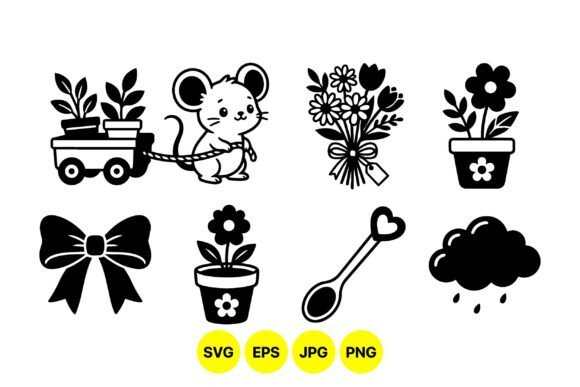
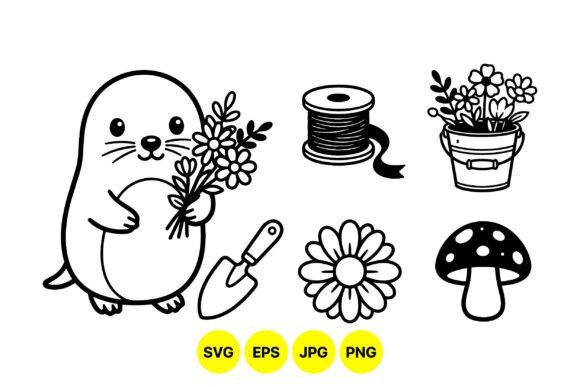
Upon opening the file, the immediate impression is one of whimsical charm. The central figure is an adorable cartoon mole character, depicted holding a bouquet of flowers while surrounded by essential gardening implements like a spool, a bucket, and even a whimsical mushroom. Rendered in a simple black line art style, these images avoid the clutter often found in complex vector packs. This minimalism is crucial for modern web design, where clean lines translate perfectly across high-resolution retina displays and mobile screens alike.
The mood created here is distinctly playful yet grounded. It feels lifestyle-focused and approachable, making it an ideal fit for content niches centered around slow living, organic gardening, homeschooling nature units, or family-oriented DIY projects. Unlike stiff corporate stock photography, this creative design invites the reader in. It signals that the content following the image will be friendly, accessible, and perhaps a bit fun. For a blogger trying to soften a technical guide on composting or soil health, this asset provides the perfect visual counterbalance.
Strategic Applications in Content Publishing
The versatility of this digital download lies in its scalability. Because the files are SVGs (Scalable Vector Graphics), they remain crisp regardless of size. In my testing workflow, I identified several high-impact use cases for the Cute Mole Gardening Clipart SVG:
- Pinterest Pins: The vertical nature of many social layouts benefits from the clear silhouette of the mole. Placing this character next to bold typography creates a strong visual hierarchy that stops the scroll.
- Blog Featured Images: Using the mole as a focal point in a website header or hero image can instantly categorize a post as part of a specific series, such as "Spring Planting Tips."
- Digital Guides and eBooks: The simple line art works exceptionally well as chapter dividers or decorative accents in downloadable PDFs without distracting from the text.
- Newsletter Graphics: Email clients can be tricky with images, but simple black line art tends to render cleanly. This asset makes for an engaging header in weekly digests.
- Lead Magnets: When creating a checklist or a printable garden planner, these Illustrations add value and perceived quality to the free resource.
Furthermore, because the style is so distinct, it serves as an excellent foundation for a Canva template. You can easily layer these elements over colored backgrounds or textured paper scans to create unique social media graphics that maintain a consistent brand identity.
Impact on Reader Trust and Click-Through Rates
In the world of content marketing and affiliate marketing, first impressions dictate performance. A generic or low-quality image can subconsciously signal to a reader that the advice within the article is equally generic. Conversely, a polished, custom-feeling graphic suggests authority and care. The Cute Mole Gardening Clipart SVG helps establish a stronger visual identity. When readers see this character repeatedly across your blog graphics, category thumbnails, and printable design resources, it fosters brand recognition.
This consistency improves reader trust. It tells the audience that you have invested in your presentation. Additionally, the playful nature of the mole can improve click-through potential on serious topics. For instance, an article about "Dealing with Garden Pests" might feel too negative with a photo of damaged plants. However, featuring the cute mole looking concerned next to a mushroom softens the blow, making the topic feel manageable rather than overwhelming.
Ideal Use Cases and Placement Strategy
To maximize the ROI of this design asset, placement is key. These Graphics shine brightest when given space to breathe. They are perfect for:
- Hero Images: Centered or offset to the side of a large H1 headline.
- Article Thumbnails: Especially effective on category pages where a grid of images needs to look cohesive.
- Content Upgrades: As the cover art for a downloadable checklist or worksheet.
- Social Media Previews: Ensuring the Open Graph image looks inviting when shared on Facebook or LinkedIn.
The simplicity of the black line art means it pairs beautifully with serif fonts for a classic editorial look, or handwritten fonts for a more personal, diary-style aesthetic. It also holds up well against sans-serif display fonts, offering a nice contrast between the organic curves of the mole and the geometric precision of modern typography.
Constraints and Careful Considerations
While this asset is robust, it is not a one-size-fits-all solution. There are scenarios where the Cute Mole Gardening Clipart SVG should be used with caution. For example, in very serious professional niches—such as legal advice, financial consulting, or medical journalism—the playful tone might undermine the gravity of the subject matter. Similarly, on websites that adhere to a strictly minimal, Swiss-style visual system, the illustrative nature of the mole might feel out of place.
Technically, one must be mindful of contrast. Since the primary style is black line art, placing it on a dark or busy background without a white container or stroke will render it invisible. It is also vital to test how the image scales down for small mobile thumbnails; while vectors are resolution-independent, fine details like the flower petals or the texture of the bucket might disappear if the image is shrunk too aggressively.
Practical Publisher Notes for Implementation
Before integrating this into a monetized site or a client project, I recommend a rigorous testing phase. First, preview the asset inside your actual blog layout, not just in your design software. Check how it looks beside your specific headline fonts. Second, review the file size. Even though SVGs are generally lightweight, ensure they are optimized for web performance to maintain fast page load speeds, which is a critical ranking factor.
Finally, and most importantly, verify the licensing terms. Ensure you have a valid commercial license if you intend to use these images on affiliate pages, in products for sale, or within paid content. Most assets from a creative marketplace come with clear guidelines, but due diligence protects your small business branding from legal issues. If used correctly, this digital product can become a cornerstone of your visual strategy, bringing a touch of joy and professionalism to your editorial design efforts.